Sourcing wholesale tyres from Thailand for Australia: everything you actually need to know
Table of Contents
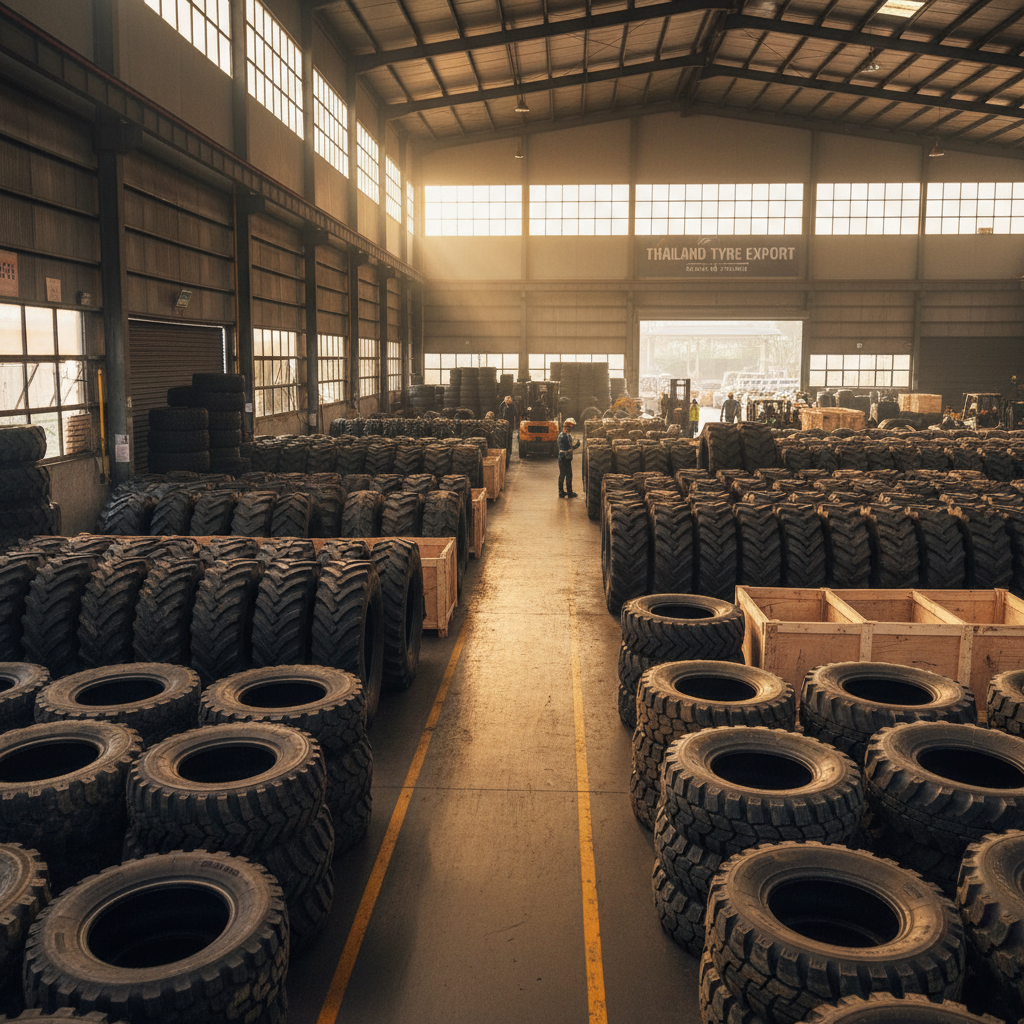
This guide exists because most of the information out there about importing tyres into Australia is either too vague to be useful or written by people who’ve never actually done it. We have. Our warehouse sits at Laem Chabang — the main export port in Thailand — and we’ve been shipping containers to Australian dealers and importers for over a decade. What follows is a plain account of how the wholesale tyre supply chain works, what it costs, what the compliance requirements actually mean in practice, and how to avoid the mistakes that keep costing importers money.
What’s covered in this guide
1. Why Thailand is the right sourcing origin for Australian dealers
- Why Thailand is the right sourcing origin for Australian dealers
- The five tyre categories and who buys what
- How the import process works, step by step
- ADR compliance — what it actually requires
- Cost breakdown: FOB, freight, duty, and landed cost
- Choosing a supplier: what separates good from bad
- Common mistakes and how to avoid them
There are several countries you can import tyres from. China is the obvious alternative. India has been growing. But for Australian dealers, Thailand has a combination of advantages that the others don’t match.
It starts with rubber. Thailand is the world’s largest natural rubber producer — the trees are in the ground up the road from the factories, and that proximity shows up in compound quality and batch consistency. When Bridgestone, Michelin, Goodyear, and Yokohama were choosing where to put major manufacturing capacity in Asia, most of them chose Thailand. That’s not coincidence.
Then there’s the trade relationship. The Australia-Thailand Free Trade Agreement (AUSFTA) means Thai-origin tyres enter Australia at 0% import duty. Chinese tyres attract a standard 5% rate. On a container valued at $80,000 that’s $4,000 before you’ve looked at anything else. Over a year of importing, that number compounds.
Brand perception matters too. “Made in Thailand” carries positive associations in the Australian market because buyers know the major OEM manufacturers produce there. That affects your sell-through rate and your ability to hold margin — especially in the passenger car and 4WD segments where customers are brand-aware.
The dealers we see building durable import businesses — the ones who aren’t firefighting compliance issues or margin problems — are mostly sourcing from Thailand. That’s been true consistently across the years we’ve been operating.
For a full breakdown of how Thailand and China compare across quality, compliance, cost, and supply reliability, read our dedicated comparison: Thailand vs China tyres — an honest look for Australian importers.

2. The five tyre categories and who buys what
Not all tyre segments work the same way. The buyers are different, the compliance requirements differ, the freight economics differ, and the margin profiles differ. Here’s how the five major categories break down for Australian wholesale.
PCR — passenger car radial
Retail tyre shops, independents
The highest volume segment. Strong demand from retail tyre shops restocking popular sizes. Competitive market — brand perception and ADR compliance documentation matter here more than anywhere else.View PCR wholesale range →
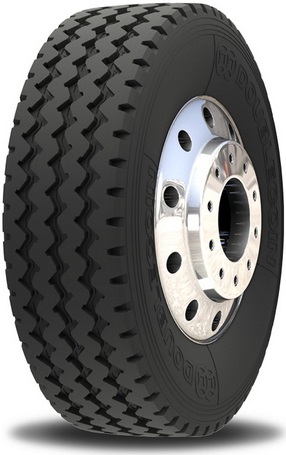
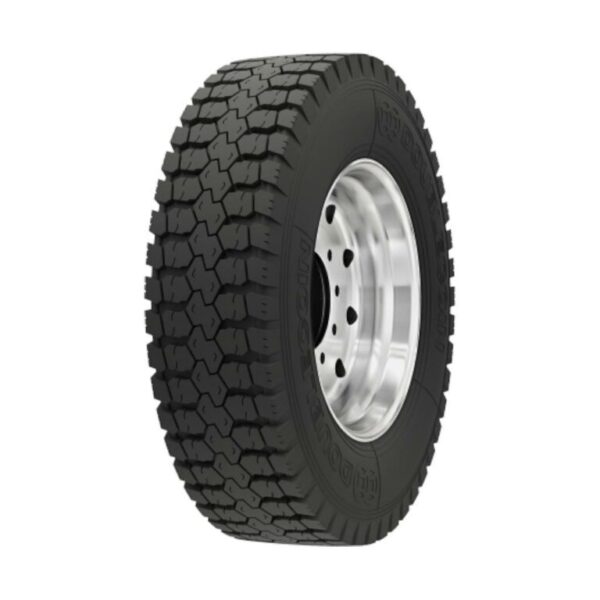
TBR — truck & bus radial
Fleet operators, logistics companies
Commercial buyers who care about load ratings, casing durability, and total cost per kilometre. Common AU sizes: 295/80R22.5, 315/70R22.5, 11R22.5. Fleet buyers often order on 30/60-day terms.View TBR wholesale range →
OTR — off-the-road & mining
Mining, earthmoving, construction
The highest-value segment per unit. Buyers in mining and construction are experienced procurement teams — they want technical specs, certifications, and references. Relationships matter here.View OTR & mining range →
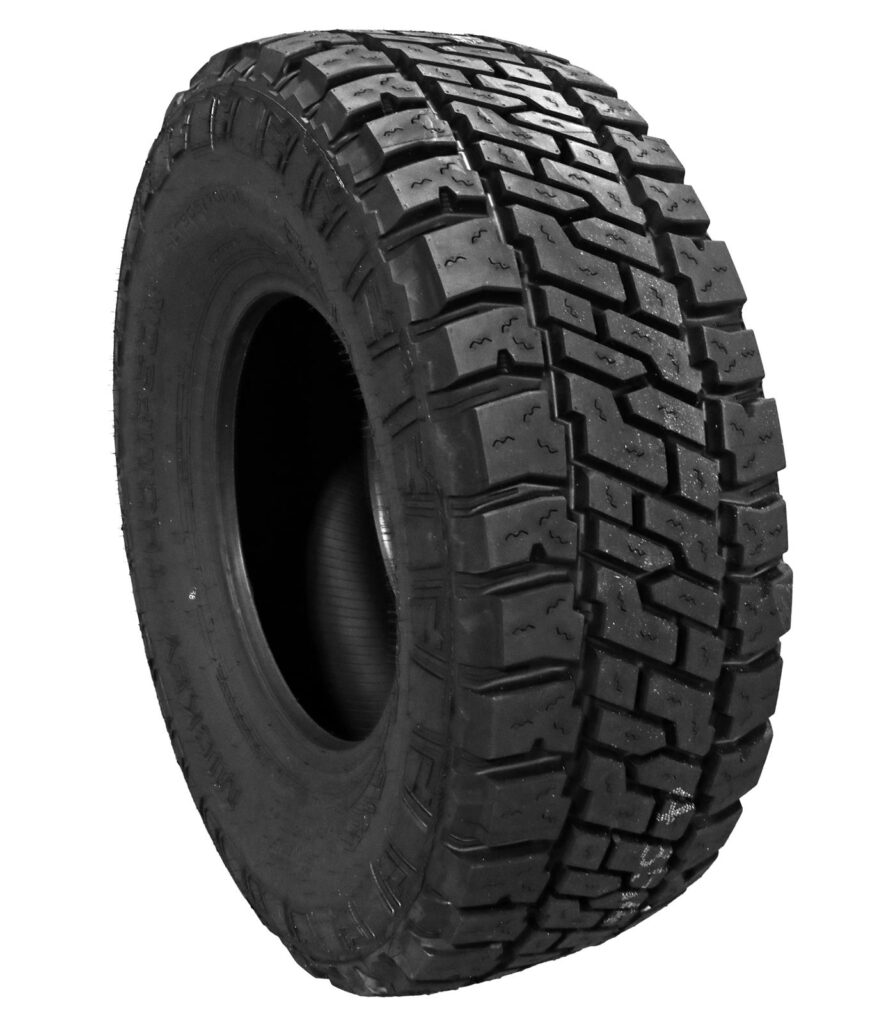
4WD & light truck
Regional dealers, rural retailers
Strong demand in regional and rural Australia. Popular sizes: 265/70R17, 285/75R16, 31×10.5R15. Customers in this segment are brand-aware and will ask where the tyre is made.View 4WD wholesale range →
Agricultural
Farm equipment dealers, rural suppliers
Tractors, harvesters, implements, trailers. A specialist segment with long replacement cycles and buyers who know exactly what they need. Australian agricultural dealers service broad-acre farming operations where tyre failure means operational downtime.View full wholesale range →
Most importers start in one category and expand from there. Starting with PCR or 4WD is common — the market is large, the sizes are well-understood, and the compliance documentation is straightforward. TBR and OTR require more technical knowledge but carry better margins.
3. How the import process works, step by step
The process isn’t complicated once you understand it, but there are enough moving parts that it helps to see it laid out clearly. Most first-time importers underestimate the paperwork stage and overestimate the freight stage — it’s actually the other way around.
1
Work out what you actually need
Before you approach a supplier, know your category, target sizes, approximate volume, and your intended sales channel. “I want to import tyres” is not a brief. “I need 200 units of 295/80R22.5 TBR for a regional fleet operator on a quarterly replenishment cycle” is a brief that a supplier can work with.
2
Request quotes and verify compliance documentation
Get FOB pricing from at least two suppliers. At the same time — not afterwards — request the ADR compliance documentation for each product line you’re considering. If a supplier delays on this or gives you vague answers, that tells you something important before you commit money.
3
Confirm your landed cost
FOB price is not your cost. Add sea freight (get a rate from a freight forwarder), marine insurance (typically 0.3–0.5% of cargo value), customs duty (0% for Thai origin under AUSFTA, 5% for Chinese origin), and your customs broker’s fee. That’s your landed cost. Work your margin from there, not from the FOB price.
4
Place the order and arrange payment
Standard payment terms for first orders are typically 30–50% deposit with the balance before shipping. T/T (telegraphic transfer) is most common. For established accounts, Letter of Credit or 30/60-day terms may be available. Get everything confirmed in writing — product, quantity, price, shipment date, and port of loading.
5
Freight and documentation
Your supplier or freight forwarder handles the export documentation — commercial invoice, packing list, bill of lading, certificate of origin (for AUSFTA duty claim), and any product compliance certificates. The certificate of origin is critical — without it you can’t claim the 0% AUSFTA duty rate. Don’t let this get overlooked.
6
Customs clearance in Australia
Your customs broker lodges the import declaration with Australian Border Force. Tyres fall under HS code 4011. The broker will need your commercial invoice, bill of lading, packing list, and certificate of origin. Clearance typically takes 1–3 business days for a straightforward shipment. Duties and GST are payable at this stage.
For a more detailed walkthrough of the import process including freight options, customs broker selection, and what to do when something goes wrong, see our full guide: how to import tyres from Thailand to Australia.
4. ADR compliance — what it actually requires
This is the part most importers either over-complicate or dismiss too quickly. ADR compliance is not a bureaucratic formality — it’s the legal foundation for everything you sell into the Australian market. If a tyre doesn’t comply, it can’t be legally supplied, fitted, or sold in Australia. The obligation sits with the importer.
The primary standard for passenger car tyres is ADR 23/01. For truck and bus tyres it’s ADR 26/01. Australia also accepts ECE R30 (passenger) and ECE R54 (commercial) as equivalent, which matters because most serious Thai manufacturers are already ECE-certified for European export — they have the documentation, it’s just a matter of getting them to hand it over.
The documentation you need for every product line you import: a Letter of Compliance referencing the specific ADR, third-party test reports from an accredited laboratory, and for ECE-certified product, the type approval certificate. Keep these on file for a minimum of seven years — the product liability clock starts when the tyre is fitted, not when it’s imported.
Always cross-reference the compliance documentation against the actual sidewall markings on a physical sample before your container ships. The tyre that gets packed isn’t always the tyre that was tested. If the size, load index, or speed rating on the sidewall doesn’t match the documentation exactly, stop the shipment until it’s resolved in writing.
For a full breakdown of every standard, documentation requirement, and the most common mistakes importers make, read our complete guide: ADR tyre certification in Australia — what importers actually need to know.
5. Cost breakdown: FOB, freight, duty, and what you actually pay
Here’s how a typical container shipment breaks down for an Australian importer sourcing from Thailand. These are illustrative figures — your actual numbers will vary by product, volume, and freight route — but the structure is consistent.
Example: 40ft FCL container, mixed TBR sizes, FOB value AUD $85,000, destination Melbourne.
FOB price (ex-Thailand)
$85,000. This is what you pay for the product at the Thai port — it’s the price most people negotiate and most people think is their cost. It isn’t.
Sea freight (Thailand to Melbourne)
Typically AUD $2,800–$4,500 for a 40ft FCL on this route, depending on market rates. Get a rate from a freight forwarder before you finalise your order — freight rates move, and the rate from six months ago might not be the rate today.
Marine insurance
Around 0.35% of cargo value. On an $85,000 container that’s approximately $300. Some importers skip this. Don’t — cargo loss and damage claims are more common than people think, and without insurance you’re carrying the full risk.
Import duty
0% for Thai-origin product under AUSFTA, provided you have a valid certificate of origin. This is a real saving — the equivalent Chinese shipment would attract 5%, or approximately $4,250 on this container. This single item often determines whether Thai product is cheaper landed than Chinese product with a lower FOB price.
GST
10% on the landed value (FOB + freight + duty). This is recoverable as an input tax credit if you’re GST-registered, so it’s not a real cost — just a cash flow item to manage.
Customs broker fee
$300–$600 for a standard import declaration. Worth paying — a good broker knows the classifications, flags issues before they become problems, and processes clearance faster than you can do it yourself.
Total landed cost on this example: approximately $89,000–$91,000 on an $85,000 FOB order. Your landed cost per unit drives your wholesale and retail pricing — build your margin from this number, not from the FOB price. Importers who calculate from FOB regularly find themselves underselling or running thin margins they didn’t plan for.
6. Choosing a supplier: what separates good from bad
There are a lot of tyre suppliers in Thailand. Most of them will send you a price list and tell you what you want to hear. The ones worth working with behave differently — they ask you questions before they quote, they have the compliance documentation ready without being chased, and they tell you when a size is out of stock rather than substituting without telling you.
Some things that indicate a supplier worth taking seriously: they’re based at or near Laem Chabang (the main export port) and can provide real-time stock confirmation. They have existing Australian accounts they’re willing to reference. They can produce ECE type approval certificates and third-party test reports within 48 hours of being asked. They’ve exported to Australia before and understand HS code 4011 documentation and the AUSFTA certificate of origin process.
Some things that should give you pause: vague answers on compliance documentation. Prices that seem significantly below market — genuine product from genuine factories has a cost floor. Pressure to place an order before documentation has been reviewed. Inability to provide references from existing Australian accounts.
The best supplier relationship is one where they’re telling you things you didn’t ask — lead time changes, size availability issues, shipping schedule updates. If you’re always the one chasing information, that’s not a sustainable supply chain.
Prime Tires Hub operates from 826 Laem Chabang, Thailand, with dedicated support for the Australian market. We supply PCR, TBR, OTR, 4WD, and agricultural tyres with full compliance documentation as standard. Browse the full product catalogue or request a quote directly.
7. Common mistakes and how to avoid them
Calculating margin from FOB instead of landed cost
Covered above, but worth repeating because it’s the most common financial mistake. Your margin is what’s left after every cost is accounted for — FOB, freight, insurance, duty, broker, local delivery. Build a landed cost model before you place your first order and update it every time freight rates shift.
Not claiming the AUSFTA duty ratel; Sourcing wholesale tyres from Thailand
You don’t automatically get the 0% rate on Thai-origin tyres — you have to claim it, and you need a valid Form D certificate of origin issued in Thailand to do so. Some importers miss this on their first shipment and pay 5% they didn’t need to. Make sure your supplier includes the Form D in the shipping documentation as standard.
Accepting compliance documentation without verifying it
A Letter of Compliance that covers a different size range than what was shipped is worthless. A test report from an unaccredited laboratory won’t hold up. Cross-reference every document against the physical product before the container ships — this is the check that protects you if something is ever questioned.
Ordering without a freight rate: Sourcing wholesale tyres from Thailand
Get a freight rate from a forwarder before you finalise your order, not after. Freight rates to Australia can move significantly — building your pricing model on a rate from three months ago can erase your margin before the container arrives.
Starting with too many SKUs: Sourcing wholesale tyres from Thailand
It’s tempting to import a wide range of sizes to have options. But slow-moving sizes tie up cash and warehouse space. Start with the 5–8 sizes that you have confirmed demand for, prove the model, then expand. Dealers who try to carry everything in their first container usually regret it.
Not keeping compliance records
Compliance documentation needs to stay on file for the life of the product in the field — at minimum seven years. If a product liability claim arises involving a tyre you imported three years ago, your ability to produce the original compliance documentation is what protects you. Set up a filing system from day one, not retrospectively.
Where to go from here; Sourcing wholesale tyres from Thailand
If you’ve read this far you have a reasonable picture of how the wholesale tyre import business works. The next steps depend on where you are — if you’re new to importing, the priority is getting your compliance process right and finding a supplier who already has Australian experience. If you’re an established dealer looking to add a direct import program, the priority is the cost model and MOQ structure.
The guides below cover each section of this pillar in more depth. Start with the one most relevant to your current situation:
Thailand vs China tyres: an honest comparison for Australian dealers
ADR tyre certification: what Australian importers actually need to know
How to import tyres from Thailand to Australia
Wholesale tyres Australia — Prime Tires Hub supply overview
Browse the full product catalogue
Ready to start sourcing wholesale tyres from Thailand?
Send us your size list and volume requirements — we’ll come back within one business day with pricing, availability, and lead times.Request a wholesale quote ↗
Sourcing wholesale tyres from Thailand