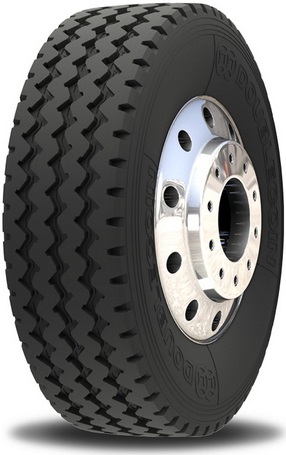
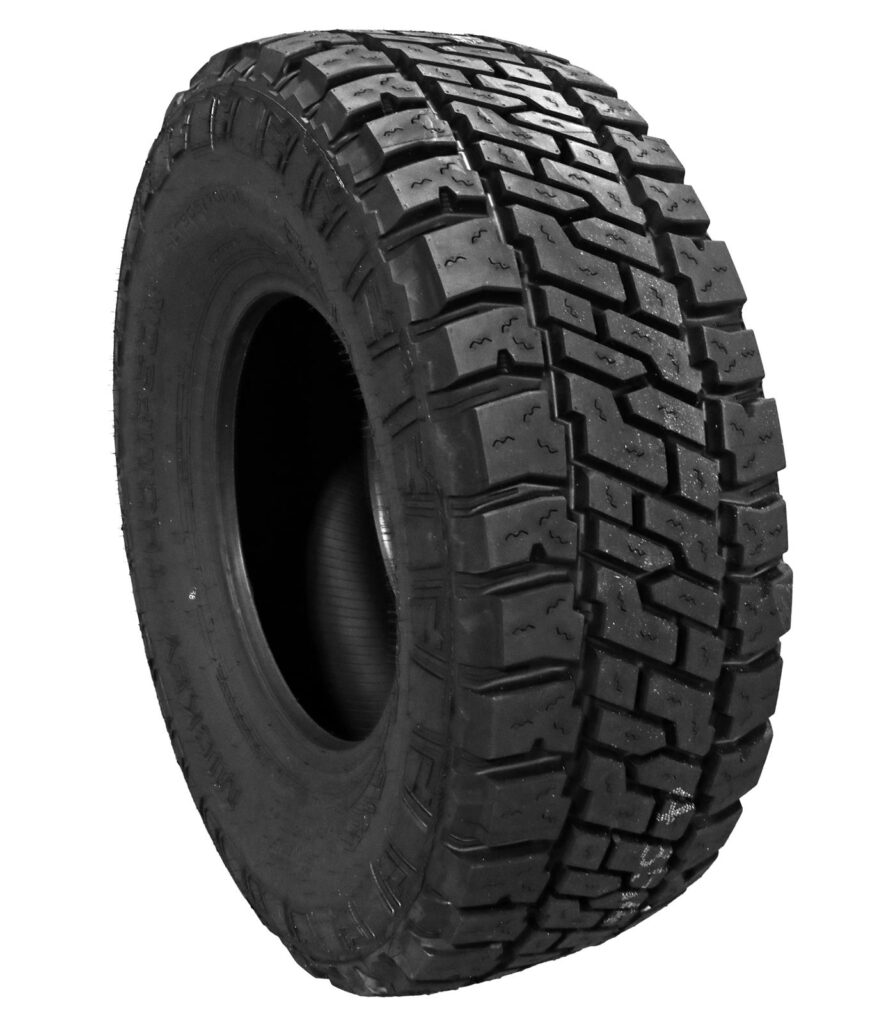
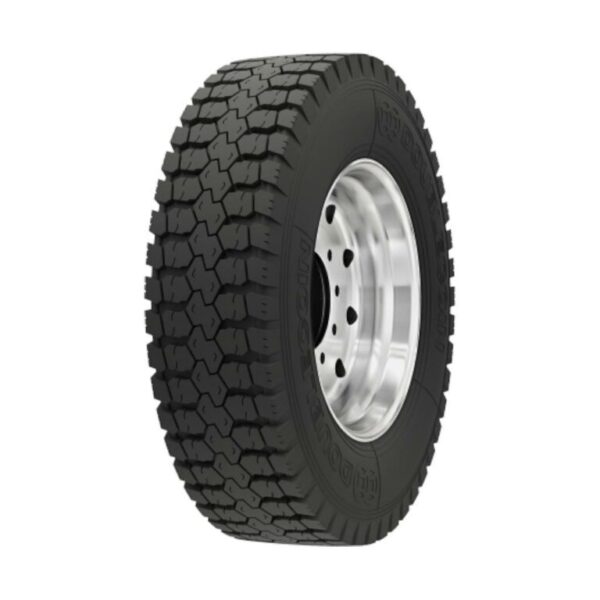
tyre wholesaler GCC
Table of Contents
If you’re a tyre dealer, fleet operator, or distributor sourcing for the UAE, Saudi Arabia, Oman, Kuwait, Qatar, or Bahrain, this guide covers everything you need before placing your first container order: market demand by country, certification requirements, the logistics route from Thailand, and how to vet a supplier before you commit.
Why the GCC is one of the fastest-growing wholesale tyre markets
Vehicle ownership across the Gulf keeps climbing, and so does the tyre replacement cycle behind it. A few forces are driving demand specifically toward wholesale import channels rather than local production, since the GCC has very limited domestic tyre manufacturing:
- Saudi Arabia is the largest single market in the region, with the biggest vehicle fleet and highest new car sales in the GCC, accelerated by Vision 2030 infrastructure and urbanisation programs, tyre wholesaler GCC
- The UAE remains the regional distribution hub, with Jebel Ali functioning as the entry point for re-export across the wider Gulf.
- Passenger and SUV tyres dominate volume, but truck/bus (TBR) and construction/OTR segments are growing fastest on the back of logistics expansion and Saudi construction activity.
- Radial tyres have effectively become the regional standard across passenger, SUV, and commercial categories, which narrows the product range a wholesale buyer actually needs to stock.
For dealers, this means the opportunity isn’t just Dubai — it’s a six-country distribution play, and the sourcing decisions you make now (supplier, certification, freight route) determine how easily you can serve all six.

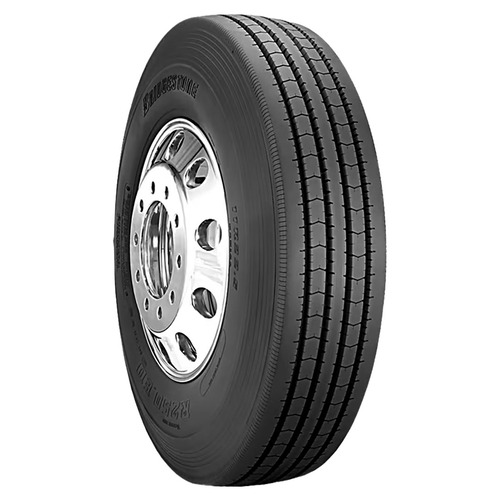
Demand by country: what to stock where
United Arab Emirates — The smallest population but the highest trade volume, because most GCC-bound stock physically lands here first. SUV/4WD and passenger tyres dominate retail demand; commercial and OTR move through fast as re-export.
Saudi Arabia — The largest market by far. Passenger and SUV tyres lead, but the real upside for wholesale buyers is construction and OTR tyres tied to Vision 2030 mega-projects (NEOM, Red Sea developments, infrastructure builds). Saudi Arabia alone accounts for roughly half of regional passenger tyre consumption, tyre wholesaler GCC
Oman — Smaller volume, but strong 4WD and light-truck demand driven by off-road and mountain terrain (Jebel Akhdar, Musandam). Less price-sensitive than UAE/Saudi for niche sizes.
Kuwait — Passenger and SUV-heavy, with a tight, relationship-driven dealer network. Repeat business matters more here than aggressive price competition.
Qatar — Strong premium-brand demand post-World Cup infrastructure boom; SUV and passenger segments lead, with steady commercial demand from logistics and construction.
Bahrain — Smallest market, but a useful low-cost entry point for testing new SKUs before scaling into Saudi via the King Fahd Causeway.
Certification: what GCC customs actually require
Every Gulf country enforces the same regional framework, so this is the one piece of compliance you only need to learn once.
The GCC Standardization Organization (GSO) issues the GCC Conformity Certificate for new motor vehicles and tyres — a single certificate recognised across all six member states, verified through GSO’s Electronic Conformity Certification Scheme. Products that meet the requirement carry the G-Mark, the Gulf Conformity Mark. In practice, this means:
- A tyre certified once under GSO can move across UAE, Saudi, Oman, Kuwait, Qatar, and Bahrain without re-certification in each country.
- Your supplier should be able to provide GSO conformity documentation per tyre model/size, not just a general factory certificate.
- The UAE additionally enforces its own product-safety layer through ESMA (Emirates Authority for Standardization and Metrology) for goods entering and clearing through UAE ports — this is the first checkpoint stock will pass through if you’re routing via Jebel Ali. (See our dedicated ESMA guide for the full UAE-specific process.)
Ask any prospective supplier for GSO conformity certificates and G-Mark registration status before placing a sample order. A supplier who can’t produce these isn’t ready for GCC wholesale — and customs delays at this stage are the single biggest cause of dealer cash flow problems in this market.
Logistics: routing from Thailand to the Gulf
Thailand’s position as a major rubber-producing and tyre-manufacturing hub makes it a natural sourcing origin for GCC buyers, with established freight lanes already running west.
- Origin port: Laem Chabang, Thailand’s primary container port for FCL tyre shipments.
- Destination: Jebel Ali Port, Dubai — the GCC’s principal re-export hub.
- Transit time: approximately 10–14 days port-to-port.
- Free zone advantage: Jebel Ali sits inside the JAFZA free zone, meaning stock can be imported duty-free and re-exported to Saudi, Oman, Kuwait, Qatar, and Bahrain without incurring UAE import duty twice. (Our separate Jebel Ali & JAFZA guide covers this distribution structure in detail.)
- Container strategy: FCL is standard for dealers ordering by the container; LCL suits smaller or first-time orders testing a new market or SKU. tyre wholesaler GCC
How to vet a wholesale tyre supplier before you commit
Use this as a working checklist on your next supplier call:
- Ask for GSO conformity certificates by tyre size/model, not a blanket company certificate.
- Confirm MOQ and whether it’s per size or per container — this materially changes your working capital needs.
- Get FOB Laem Chabang pricing in writing, then separately confirm freight quotes to Jebel Ali — bundled quotes make it hard to compare suppliers.
- Check brand range — a supplier carrying recognised names (Bridgestone, Michelin, Continental, Yokohama, Maxxis) alongside value lines gives you flexibility to serve both premium and price-sensitive segments.
- Confirm payment terms — most Thailand-based wholesale relationships start on LC or TT terms before moving to open account.
- Ask about lead time consistency, not just best-case transit time — port congestion at Jebel Ali during peak season is common.
FAQ: tyre wholesaler GCC
Do I need separate certification for each GCC country I sell into? No — the GSO Conformity Certificate and G-Mark are recognised across all six GCC member states. The UAE has an additional ESMA clearance step for goods entering through its ports.
Which GCC country has the strongest demand for OTR and construction tyres? Saudi Arabia, driven by Vision 2030 infrastructure and mega-project construction activity.
Is it cheaper to import once into the UAE and redistribute, or import directly into each country? For most dealers, importing once into Jebel Ali under JAFZA and redistributing is more efficient — it avoids paying import duty separately in each destination country.
What’s the typical transit time from Thailand to the GCC? Around 10–14 days from Laem Chabang to Jebel Ali Port.
Ready to source? [Request a wholesale quote] or [view our GCC product range] for current stock and pricing.