


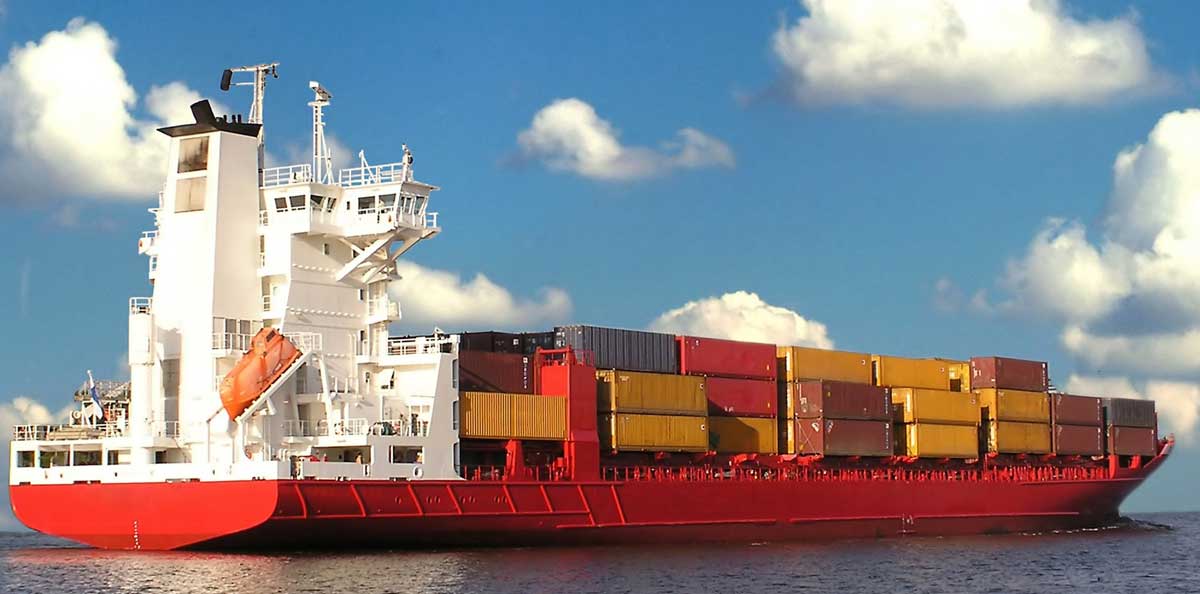
Container Load vs LCL: The Best Shipping Option for Tyre Imports
Table of Contents
Container Load vs LCL: The Best Shipping Option for Tyre Imports to Australia
A practical guide for Australian dealers and importers comparing FCL and LCL freight — so you choose the right option for your order size and budget.
If you’re sourcing tyres from Thailand for the Australian market, one of the first freight decisions you’ll face is this: do you ship a full container load (FCL) or go with a shared container (LCL)? It’s not just a logistics question — it directly affects your per-unit landed cost, your lead times, and your risk exposure. Get it wrong and you’ll either overcommit on volume or pay a significant premium per tyre that wipes out your sourcing advantage.
This guide walks through both options clearly, with real numbers and practical guidance for the Thailand–Australia trade route.
1. What is FCL vs LCL?
Before comparing costs and lead times, it helps to understand exactly what you’re choosing between.
Full Container Load
- You book the entire container — 20ft or 40ft
- Your tyres are the only cargo inside
- You pay a flat rate for the container regardless of how full it is
- Loaded at the supplier’s facility, sealed, shipped direct
- Standard for high-volume tyre importers
Less Than Container Load
- Your shipment shares a container with other importers’ cargo
- You pay only for the space (CBM) your tyres occupy
- Cargo is consolidated at a depot before departure
- Good for smaller trial orders or mixed SKU shipments
- More handling points involved
For tyre imports specifically, the choice hinges on your order volume. Tyres are bulky, relatively low-value per cubic metre, and stack efficiently — which changes the economics compared to, say, electronics or clothing.
2. Cost Comparison: FCL vs LCL for Tyre Imports
This is where most importers make their decision. The key metric to watch is cost per tyre, not the headline freight rate.
| Factor | FCL (20ft) | FCL (40ft) | LCL |
|---|---|---|---|
| Approx. freight cost (Thailand → AU) | USD $1,800–$2,800 | USD $2,800–$4,200 | USD $60–$90 per CBM |
| Typical PCR tyre capacity | ~400–500 tyres | ~900–1,100 tyres | Flexible (any qty) |
| Approx. freight cost per PCR tyre | USD $4–$6 | USD $3–$5 | USD $8–$14 |
| Additional handling fees | Minimal | Minimal | Yes — consolidation + deconsolidation |
| Customs clearance | Per container (straightforward) | Per container (straightforward) | Per consignment (can be complex) |
For PCR tyres, the break-even point is typically around 150–200 units. Below that, LCL is more cost-effective. Above that, FCL almost always wins on cost per tyre — and the advantage grows significantly as volume increases.
Note that TBR (truck and bus radial) and OTR tyres are significantly larger and heavier, so the CBM per tyre is much higher. For these product types, even smaller orders can justify FCL due to the volume they occupy.
3. Lead Times from Thailand to Australia
Transit time from Thailand to Australian ports (Melbourne, Sydney, Brisbane, Fremantle) is broadly similar for both FCL and LCL — but the total door-to-door time differs meaningfully.
| Stage | FCL | LCL |
|---|---|---|
| Production & loading | 7–14 days | 7–14 days |
| Consolidation / depot waiting | Not applicable | 3–10 days (depends on sailings) |
| Ocean transit (Thailand → AU) | 12–18 days | 12–18 days |
| AU customs & port handling | 3–7 days | 5–10 days (deconsolidation adds time) |
| Typical total door-to-door | 25–40 days | 30–50 days |
The LCL delay comes from two sources: waiting for the consolidation container to fill before departure, and the additional deconsolidation step at the Australian end. For importers running lean inventory or responding to sudden demand, this extra unpredictability is a genuine risk.
Both FCL and LCL face capacity constraints in the lead-up to Australian summer (October–December) and post-Chinese New Year (February). If you’re stocking up for a seasonal push, add 1–2 weeks buffer to any estimate.
4. Risk, Damage, and Insurance
Tyres are relatively robust cargo, but they are not immune to shipping damage — particularly from moisture, pressure, and rough handling. The number of handling points matters.
FCL risk profile
With FCL, your tyres are loaded at the supplier’s warehouse, the container is sealed, and it isn’t opened again until it reaches your designated location in Australia. Fewer hands touch the cargo. This is the lower-risk option for tyre condition on arrival.
LCL risk profile
LCL cargo passes through at least two additional handling points — the origin consolidation depot and the destination deconsolidation depot. Tyres can be stacked with other importers’ cargo, and there’s a higher chance of minor scuffing, moisture ingress, or mishandling. This doesn’t mean LCL is unsafe, but it does mean marine cargo insurance is even more important for LCL shipments.
Always insure tyre shipments for their CIF value (cost + insurance + freight) plus 10%. For LCL, ensure your policy specifically covers goods in a consolidated container, as some policies have exclusions for shared-container cargo.
5. MOQ and Volume: What Fits in a Container?
Understanding container capacity for tyres helps you plan your order quantities and negotiate MOQs with your supplier.
| Tyre type | Approx. units in 20ft FCL | Approx. units in 40ft FCL | CBM per tyre (approx.) |
|---|---|---|---|
| PCR (passenger car radial) | 400–500 | 900–1,100 | 0.025–0.04 CBM |
| 4WD / light truck | 280–360 | 600–800 | 0.04–0.06 CBM |
| TBR (truck & bus radial) | 80–120 | 180–280 | 0.15–0.25 CBM |
| OTR / agricultural | 20–50 (size dependent) | 50–120 (size dependent) | 0.3–2.0+ CBM |
A practical note: tyres are often loaded loose (not in cartons), stacked and interlocked to maximise density. An experienced freight forwarder who handles tyre shipments regularly can often fit more units than a standard CBM calculation suggests. At Prime Tires Hub, we work with freight partners who specialise in tyre exports and routinely optimise load plans to reduce your per-unit freight cost.
6. How to Choose: A Simple Decision Guide
Use the questions below to determine which option suits your situation.
FCL vs LCL — Quick Decision Guide
150–400 PCR units: → Run the numbers — 20ft FCL may already win
400+ PCR units: → FCL (20ft or 40ft depending on volume)
Repeat import program: → FCL optimises cost over time
Flexible arrival window: → LCL acceptable
Yes, but total volume is still large: → FCL with a mixed load plan — your supplier can load multiple SKUs in one container
7. How Prime Tires Hub Handles Freight
At Prime Tires Hub, we’ve been exporting tyres from Thailand to Australian buyers long enough to know that freight shouldn’t be an afterthought. Here’s how we approach it:
- We work with freight forwarders who specialise in tyre exports. Standard forwarders often miscalculate tyre CBM. Our partners load-plan specifically for tyres and consistently achieve better container utilisation.
- We can advise on FCL vs LCL based on your specific order. Tell us your tyre types, quantities, and delivery target — we’ll give you a realistic landed cost comparison before you commit.
- We handle documentation for AU customs. This includes the commercial invoice, packing list, Bill of Lading, and any ADR compliance certificates required at the border. We’ve done this enough times to get it right the first time.
- We offer FOB pricing from Bangkok/Laem Chabang. This gives you flexibility to nominate your own freight forwarder, or use ours — whichever gives you better rates.
- We can consolidate mixed product orders. If you want PCR tyres alongside 4WD or TBR in the same container, we coordinate that at our end so your container is packed correctly and documented clearly for customs.
Whether you’re planning your first trial shipment or looking to move to regular FCL imports, we’re happy to walk you through the freight side in detail. Request a quote and let us know your target order size — we’ll include a freight cost breakdown alongside our tyre pricing.
Summary: FCL or LCL?
For most established Australian dealers and importers sourcing tyres from Thailand, FCL is the better long-term option — lower per-unit freight cost, faster predictable lead times, less cargo handling, and simpler customs clearance. The upfront commitment is higher, but the economics are clear once your volumes justify it.
LCL makes sense for trial orders, smaller operations, or mixed-SKU shipments where you’re not yet ready to commit to a container minimum. It’s a legitimate entry point into Thai tyre importing, and many buyers start with LCL before graduating to FCL once they’ve validated demand.
The single most important step is to get a landed cost comparison — not just the headline freight rate — before you decide. Prime Tires Hub can help with that calculation as part of your quote.
Ready to plan your first shipment?
Request a quote from Prime Tires Hub and we’ll include a freight cost breakdown — FCL vs LCL — alongside your tyre pricing.
Request a wholesale quote
Leave a Reply